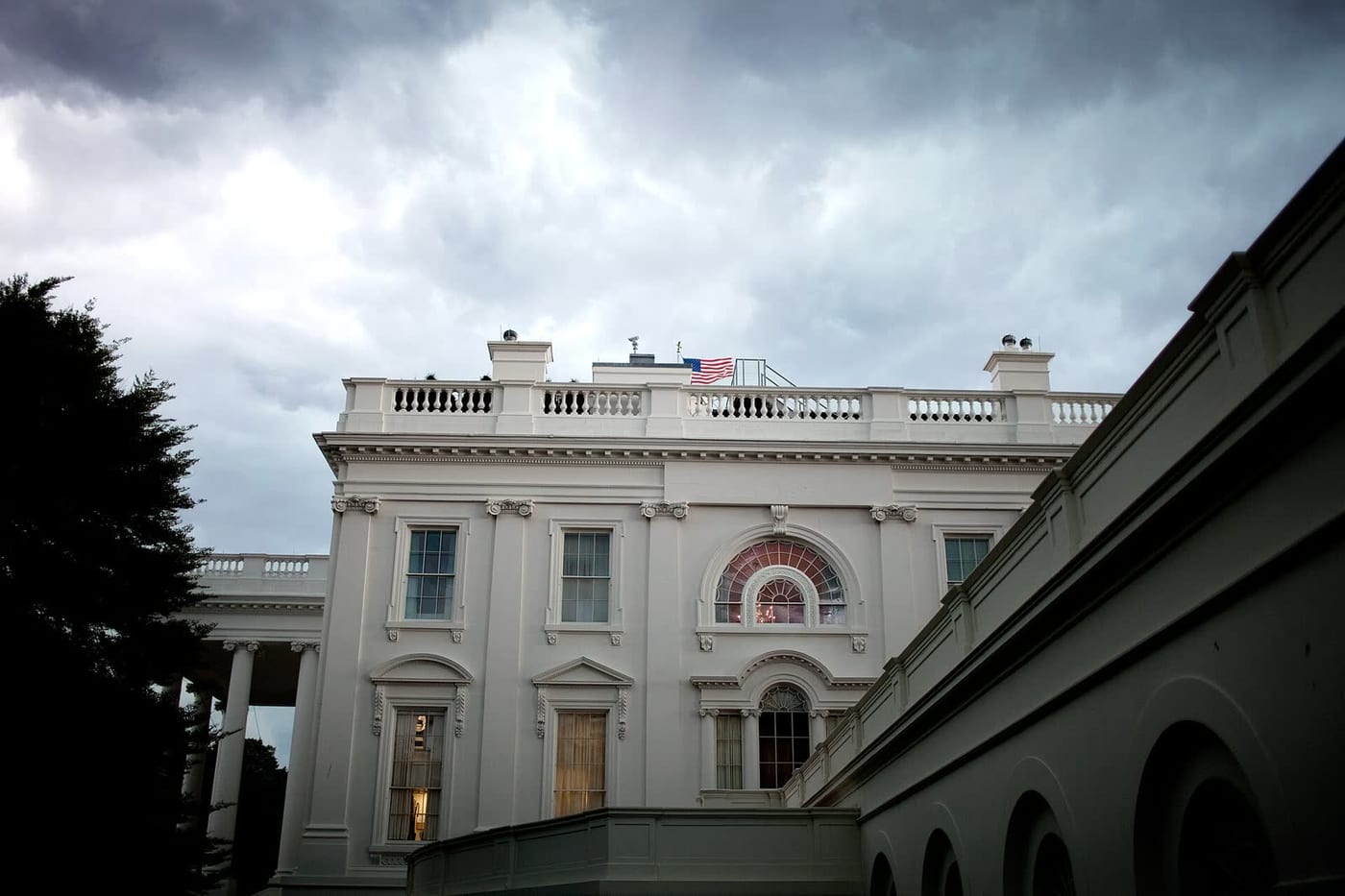
The White House Office of the National Cyber Director asked OpenAI and Anthropic to hold new frontier models from the UK’s AI Security Institute until the US government can review them first, according to a Politico report on September 24 that cited a person familiar with the matter and a senior U.S. administration official. A British official later confirmed Politico’s account to Bloomberg, Bloomberg Law reported.
The request, as Politico described it, is aimed at the labs’ voluntary pre-release sharing with UK testers—not a published order that shuts AISI itself. A senior administration official told Politico the approach follows policy for American companies and new frontier models: US systems get reviewed and secured before partners see them. In that initial coverage, Politico said the White House and OpenAI did not immediately respond, and Anthropic declined to comment.
In practice, AISI’s value to allied safety work has been early or privileged copies for independent evaluations—cyber misuse, biological risk, agentic behavior—before public release. London cannot compel US labs to share. If Washington controls the order of access, the UK institute becomes a second look rather than a peer first tester, undercutting the case for a shared evaluation lane across the alliance.
The pattern was already uneven. Anthropic’s Claude Mythos 5.1, released September 1, was limited to vetted US organizations; AISI director Henry de Zoete told Parliament no organizations outside the US had that model. Anthropic said it was coordinating with the US government to expand access. OpenAI, by contrast, still gave AISI pre-release access to GPT-6 Astra, de Zoete said, and he argued the institute retains strong relationships and some pre-release access to highly capable models.
UK officials publicly played down a rupture. In a September 22 UNGA speech, Prime Minister Andy Burnham said the UK’s AI Security Institute was “working hand in glove with the US and the leading labs on AI safety,” according to the official GOV.UK transcript. A UK government spokesperson told Politico the institute continues to work closely with the US government, international partners, and leading AI companies, including OpenAI and Anthropic, and that “these risks do not stop at national borders and no country can tackle them alone.”
The open question for frontier evaluation is not whether the UK and US still talk—it is whether pre-release testing remains a shared allied tool, or a US-first queue that partners enter only after Washington is satisfied.