Microsoft Research on Sept. 29, 2026, introduced Quine, an experimental research system that combines a multimodal world model of biology with an interactive harness meant to connect models, scientific tools, literature, the wet lab, and researchers. The announcement blog is by Nicolo Fusi, a Microsoft Research vice president and distinguished scientist, and Jonathan M. Carlson, a Microsoft Research vice president. Quine is framed as research infrastructure for prioritizing experiments — not as a general-purpose chatbot, and not as a clinical product.
By “world model,” Microsoft means a system that can represent the state of a biological system, predict how that state might evolve under interventions, and reason about consequences several steps ahead. The model is trained across sequence, structure, function, cellular state, and imaging so evidence in one modality can inform predictions in another. The harness is the loop: a scientist’s question leads to proposals and designs, then experiments and measurements that sharpen the next question and the model. Microsoft’s framing is computational prioritization before scarce lab work, not a replacement for experimentation. “The protagonists are not the model or the platform,” the blog says. “They are the scientists, the experiments, and the discoveries that follow.”
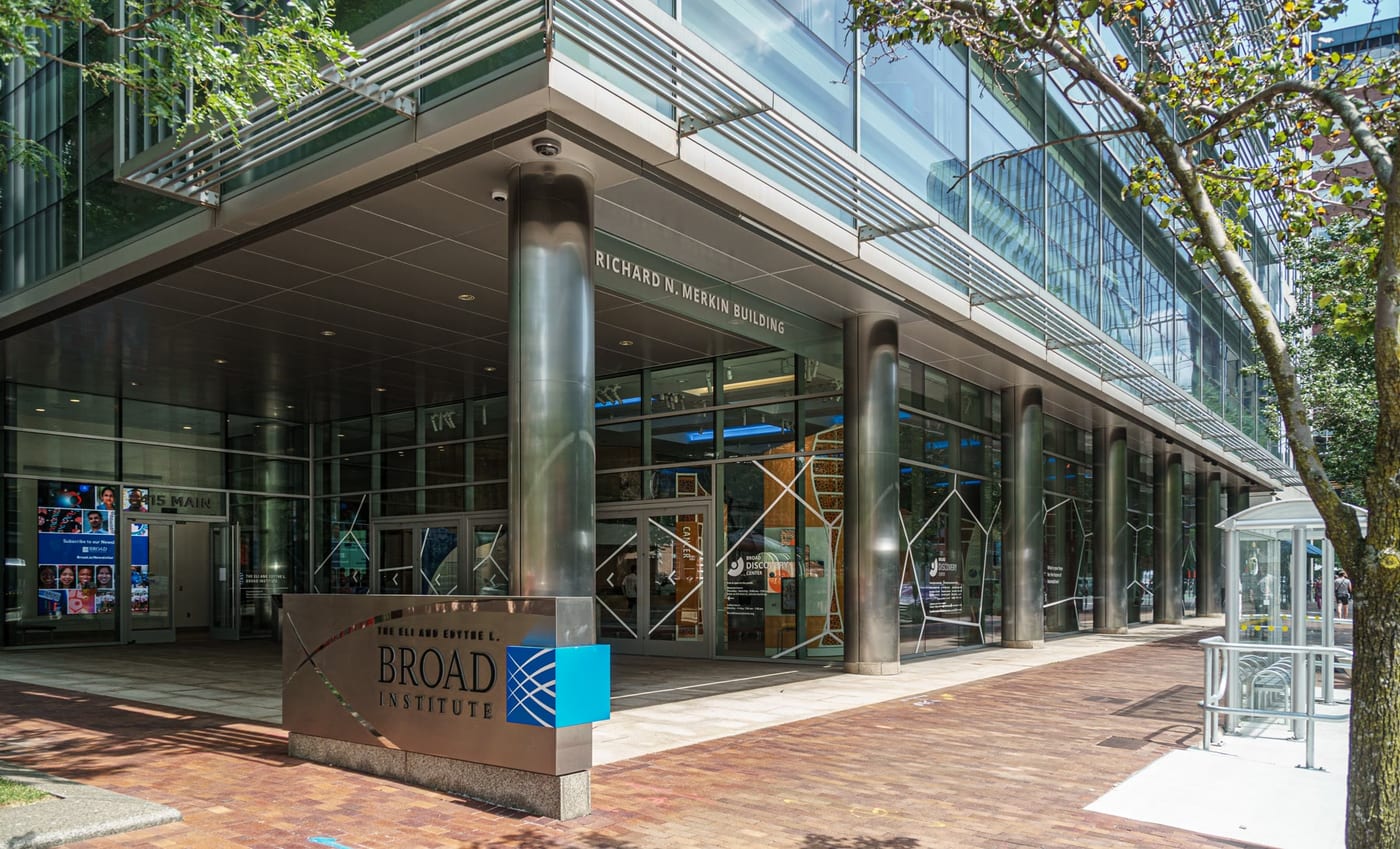
Microsoft says Quine was used with researchers at the Broad Institute of MIT and Harvard on pancreatic ductal adenocarcinoma, or PDAC, building on years of joint work with patient-derived ex vivo models. The hypothesis in that line of work is that tumor behavior and drug response depend on transcriptional cell state, not genetics alone. Per the Microsoft Research blog, Quine predicted and prioritized thousands of compounds for potential to shift tumor cells between therapeutically relevant states, with wet-lab focus on the classical-to-basal transition. Microsoft reports that Quine’s highest-ranked compounds produced the largest intended shifts across experimental assays, that narrowing the search space to a handful of lab candidates took one weekend of computational prioritization, and that some of the strongest effects came from compounds with unexpected mechanisms of action. The blog also says the reverse basal-to-classical transition looked harder and Quine predicted a weaker effect, and that Quine flagged compounds that would push cells toward a distinct third phenotype — a finding Microsoft says the lab bore out.
Those PDAC compound-ranking and wet-lab success claims are Microsoft Research’s, as published on its blog. The post does not name compounds or structures, does not give assay-level quantitative effect sizes, and does not link a peer-reviewed paper, preprint, or DOI for the Quine ranking study. As of Sept. 30, 2026, no Quine peer-reviewed paper or preprint was found, and no independent Broad Institute newsroom release naming Quine or confirming the specific classical-to-basal ranking results was located. What is independently verified on the Broad side is Project Ex Vivo — a joint Broad–Microsoft cancer research collaboration focused on defining, engineering, and targeting cancer cell states with AI and high-throughput biology — and Peter Winter, Ph.D., a Broad principal investigator who co-directs Ex Vivo and appears as a speaker on Microsoft’s Quine video page. Srivatsan Raghavan of Harvard Medical School / Dana-Farber is likewise named on that Microsoft-hosted video. Their appearance there is Microsoft’s attribution, not a Broad press confirmation of Quine’s wet-lab numbers.
Related peer-reviewed science exists for the underlying PDAC cell-state story, not for Quine. A 2021 Cell paper by Raghavan, Winter, and colleagues (DOI 10.1016/j.cell.2021.11.017) on microenvironment, cell-state plasticity, and drug response in pancreatic cancer is foundational Ex Vivo-era biology; it does not mention Quine, which was announced in 2026, and should not be read as validation of the new system’s compound rankings.
Alongside the announcement, Microsoft opened applications for Quine Fellows, a 16-week research fellowship hosted at Microsoft Research in Cambridge, Massachusetts, with financial support. Eligible applicants include Ph.D. candidates, postdocs, research scientists, and academic or independent researchers. Applications run Sept. 29 through Nov. 2, 2026; the fellowship is scheduled for June 7 through Sept. 24, 2027. Fellows are to collaborate with Microsoft researchers, gain access to Quine and computing resources, and may receive experimental support where appropriate. Areas of interest listed on the project site include protein and enzyme design, genetic and chemical perturbation of cell state, and early-stage therapeutic research in under-resourced disease areas. Participation, access, and support remain subject to eligibility, selection, capacity, and written fellowship terms — applying does not guarantee selection or access. Apply at the Microsoft Research Quine Fellows portal; inquiries go to quine-inquiries@microsoft.com.
Microsoft is explicit about limits. Quine is experimental research technology intended only for research, not clinical or medical use. Outputs may be incomplete or inaccurate and require review by qualified researchers and experimental validation. The project site states it is not intended for diagnosis, treatment, medical advice, clinical decision-making, or other medical use. Initial availability is limited to Quine Fellows and select research collaborations, with phased access. Future expansion through products such as Microsoft Discovery is described as an expected direction as the technology matures — not current general availability.
What Tuesday’s materials settle is narrower than a cure headline. Microsoft Research has announced a biology world model plus experiment loop, published qualitative wet-lab claims from a Broad-collaborative PDAC example without peer-reviewed numbers or an independent Broad Quine press release, and opened a Cambridge fellowship window for scientists who want early access. The bet is that useful predictions can shrink the search space before the pipette work begins — and that the scientists, not the model, remain the protagonists.