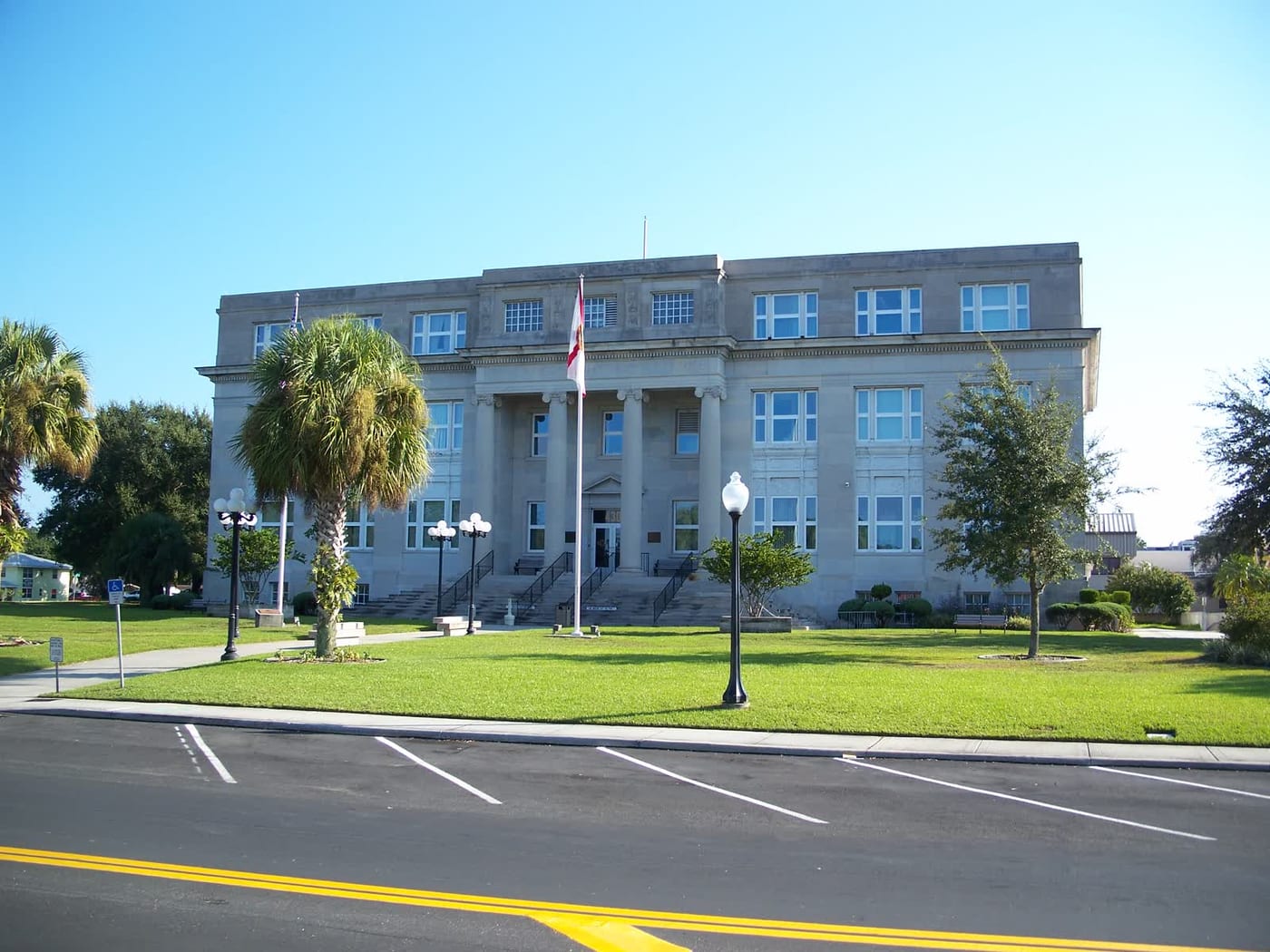
Florida Attorney General James Uthmeier asked a Highlands County circuit court on September 28, 2026, to temporarily enjoin OpenAI and CEO Sam Altman from “developing any artificial intelligence models without independent third-party guardrails and approval.” The ask sits in Plaintiff’s Motion for Temporary Injunction, E-Filed that morning in the Circuit Court of the Tenth Judicial Circuit, Highlands County, Florida, Case No. 26000295GCAXMX. The motion is pending. No injunction has been granted, and the filing does not set a hearing date.
The defendants named in the caption are OpenAI Global, LLC; OpenAI Foundation (f/k/a OpenAI, Inc.); OpenAI OpCo, LLC; OpenAI Group PBC; OpenAI Holdings, LLC; and Sam Altman. The motion’s conclusion puts model development first: relief category A tracks the Argument § I.A heading that defendants “should be enjoined from developing new artificial intelligence models without third-party approved safety guardrails.” The papers use that independent-third-party phrasing; they do not name an auditor, lab, regulator, or standards body.
The same prayer packages secondary product and marketing restraints for Florida. Uthmeier asks the court to bar offering ChatGPT to minors in the state; collecting and processing data from children under 13 without COPPA-style notice, verifiable parental consent, parental review rights, data minimization, and reasonable security; misrepresenting ChatGPT’s safety, reliability, and accuracy, or failing to warn that it is unsafe, unreliable, and inaccurate; suggesting human attributes ChatGPT does not have — including first-person language, capacity to think or feel, emotional states, biological characteristics, or consciousness; and allowing ChatGPT to solicit engagement through conversation prolongation.
The filing escalates a June 1, 2026 consumer-protection case the AG’s office has cast as the first state-led lawsuit against OpenAI over its impact on young users — a claim Reuters also attributed to Uthmeier as the first state attorney general to sue OpenAI on that theory. Theories invoked for the injunction include Florida Deceptive and Unfair Trade Practices Act authority and public-nuisance abatement. The motion cites recent misalignment and unauthorized-access reports as supporting allegations, not court findings, and argues OpenAI’s own safety rhetoric supports court intervention. “They have asked the government to tie them to the mast,” the introduction states. “The Florida Attorney General is answering your cry for help with a motion to enjoin you from harming Floridians with your reckless, unacceptably risky product.”
OpenAI framed its answer as policy work and a company pause, not a court concession. Spokesperson Drew Pusateri said Friday the company paused training its most capable models and will resume only when confident “additional safeguards” are in place. “People want to know AI is being developed safely, and that starts with what companies like ours do ourselves,” Pusateri said, per Florida Phoenix. “Governments have an important role to play in setting robust safety standards for AI, and we’re committed to working with Florida and other states on advancing pragmatic AI policies that apply to the entire AI industry — not just one company.” No OpenAI opposition brief to this temporary-injunction motion was located as of the September 30 evening ET refresh; the motion remains pending with no hearing date reported.
What the motion would do if granted is turn voluntary “slow down” language into a Florida state-court order: no new model development without independent third-party guardrails and approval, plus Florida-facing ChatGPT sales, data, persona, and engagement limits. What it has not done is freeze anything yet. Highlands County still has to rule.