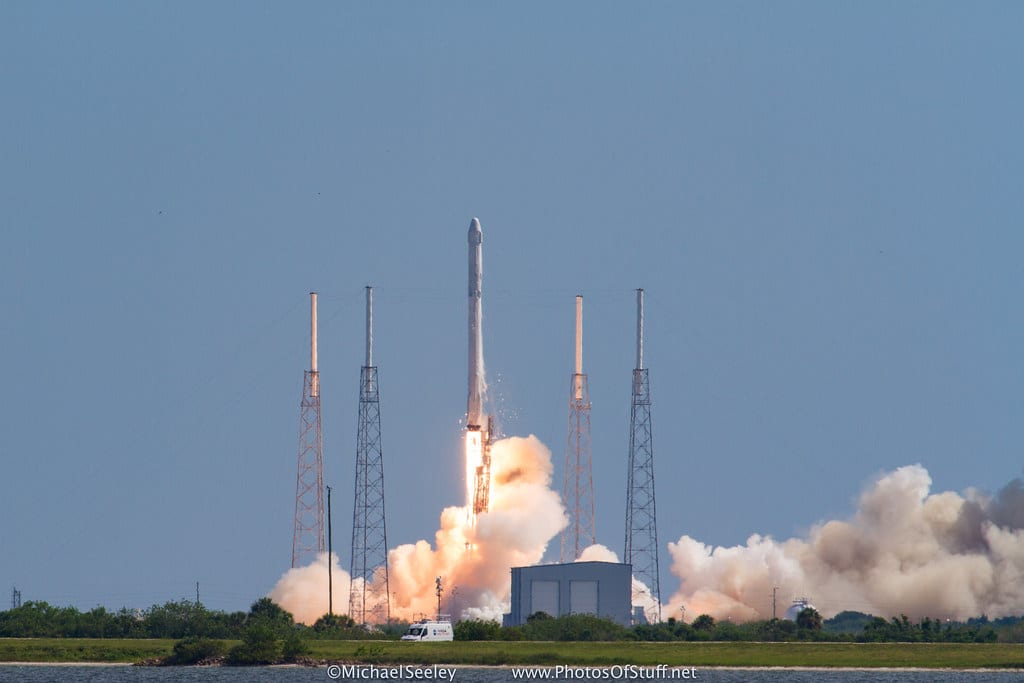
As of Aug. 26, 2026, SpaceX and Louisiana officials on Aug. 25 announced plans for a Starship launch complex branded Starbase Louisiana in Vermilion Parish, near Pecan Island on the Gulf Coast. Gov. Jeff Landry and SpaceX President and Chief Operating Officer Gwynne Shotwell unveiled the project at an event in Abbeville.
The project is tied to a $100 billion investment figure, though officials and news organizations have not used the same wording. Ars Technica reported that Landry said SpaceX will commit $100 billion to develop Starship factories and launch pads in the state’s coastal areas, and both Ars Technica and CNBC framed the plan as spending of up to $100 billion. SpacePolicyOnline and SpaceQ, citing SpaceX, reported a commitment of at least $100 billion. TechCrunch said SpaceX is investing $100 billion. The Daily Advertiser reported that Landry called the project the largest capital investment in state history. SpaceQ reported that SpaceX’s announcement email carried no price tag and that the figure appeared on a company webpage.
Shotwell said the facility would become a self-sustaining spaceport with propellant production, power generation, deep-water shipping capabilities, vehicle processing facilities, and an airport on site, according to Ars Technica. SpaceQ reported that Landry and Shotwell also described a plant to turn local natural gas into the liquid methane Starship burns. CNBC cited a joint statement from Louisiana Economic Development saying the Vermilion Parish site, on a former Exxon property, would “support thousands of launches annually.”
The Daily Advertiser said the spaceport would sit on roughly 125,000 acres near Pecan Island, a figure also used by Ars Technica and by NOLA.com for the broader former Exxon tract. SpaceQ put the acreage at about 130,000. NOLA.com separately reported that the spaceport itself would occupy roughly 40,000 acres of coastline just west of Freshwater Bayou Canal and that SpaceX would not develop the full tract.
Descriptions of the launch layout also differ. SpacePolicyOnline described five launch complexes with two pads each. SpaceQ described 10 Starship launch pads. NOLA.com described five launch pads.
NOLA.com reported that earlier in August, Exxon donated the coastal property to the state as part of a settlement of coastal lawsuits and that the state then sold the land to SpaceX for $100 million. Ars Technica similarly reported that the site became available through a settlement of lawsuits blaming ExxonMobil for pollution and coastal land loss.
SpaceX and several outlets said construction of the first launch facilities is planned to begin in 2027, with a first Louisiana Starship launch targeted as soon as 2029. TechCrunch reported that Louisiana Economic Development said construction would start by the end of 2027, with initial operations expected in 2030. SpaceQ said both dates remain pending a federal environmental review that the company had not completed.
Louisiana Economic Development has been quoted putting the project at 3,000 direct jobs over 10 years and about 8,100 indirect jobs. SpaceQ said a SpaceX webpage promised more than 3,000 jobs. Coverage has also quoted Elon Musk and Shotwell suggesting a figure closer to 10,000, and TechCrunch reported more than 30,000 construction jobs at peak.
TechCrunch and CNBC reported that SpaceX said it spent about seven years looking for a site with room for launch pads and access to fuel. NOLA.com reported that Louisiana Economic Development Secretary Susan Bourgeois said conversations between the state and SpaceX began in February. CNBC reported that Landry signed a package of aerospace bills that became law in May, including measures on public review, spaceport entry, and financial incentives. SpaceQ reported that the legislation included exemptions involving property taxes, public-records requests, and nuisance lawsuits tied to launch operations.