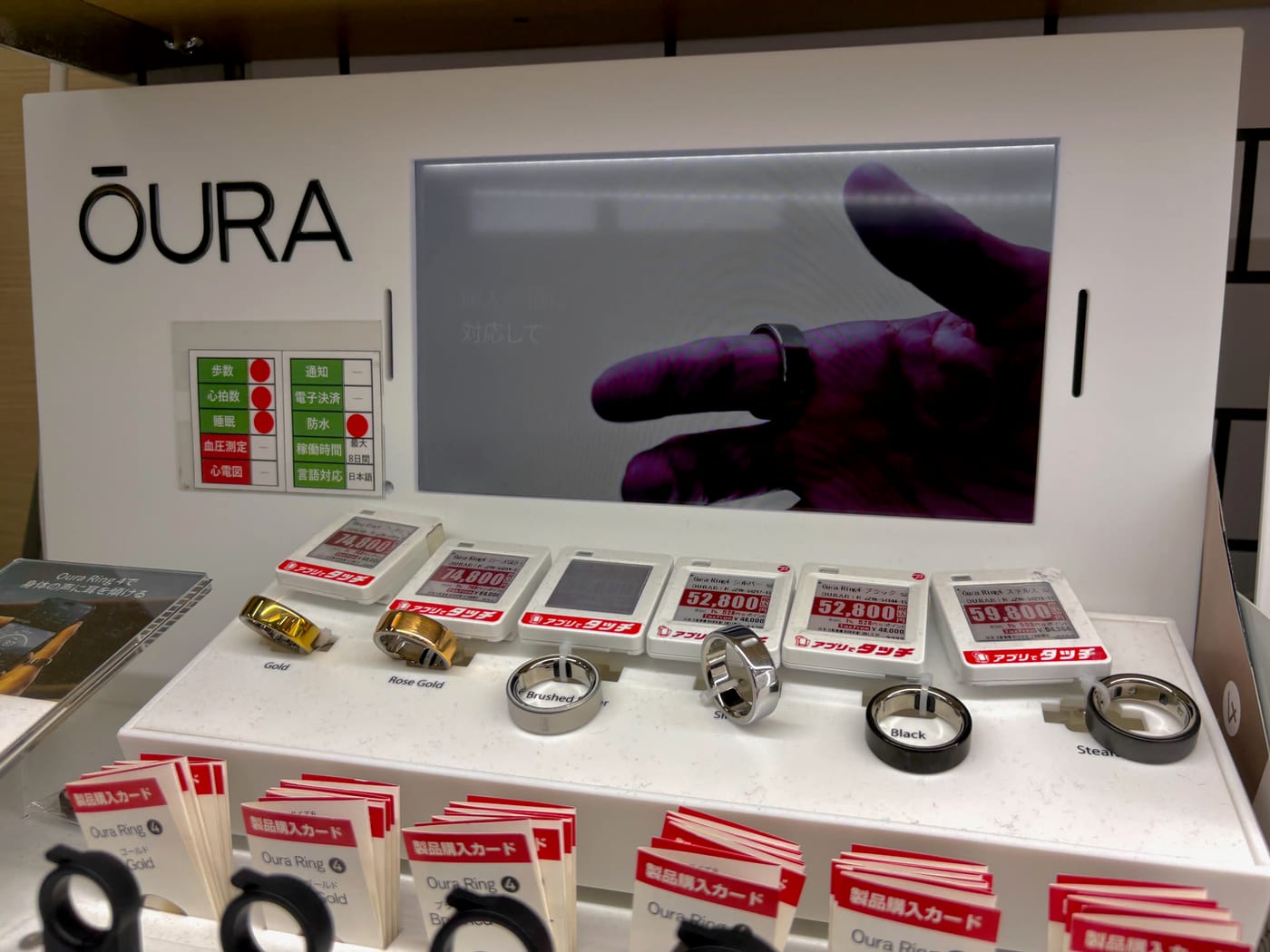
Oura filed its S-1 registration statement with the SEC on Sept. 3, 2026, outlining a proposed listing on Nasdaq under the ticker OURA. The filing names Goldman Sachs, Morgan Stanley, J.P. Morgan, Allen & Company and Jefferies as underwriters.
Revenue for the nine months ended June 30, 2026 was $1.2145 billion, up 74% from $697.6 million in the year-earlier period. That is nine-month revenue growth; it does not mean Oura's total revenue doubled.
The subscription business grew faster. Paid members doubled to 5.0 million, while membership revenue rose 121% to $240.5 million. The figures highlight the contribution of recurring membership revenue alongside sales of Oura's smart rings.
The filing also separates GAAP net income from the result attributable to common stockholders. GAAP net income was $60.8 million for the nine months. Oura reported a $924 million loss to common stockholders, a figure reflecting a deemed dividend tied to redeemable convertible preferred stock. Those measures are not interchangeable.
Oura is entering a crowded wearables market. Its filing describes competition from smart rings, smartwatches, fitness trackers and other connected health devices, with competition spanning hardware, software, data and services. The filing does not establish an invented market-share figure.
The S-1 does not set an offering price or the number of shares to be offered. Those terms, along with a timetable for any listing, remain subject to the SEC review process and market conditions.
Oura's growth case rests on adding and retaining members while selling hardware in a competitive category. The company's risks include competition, supply and manufacturing constraints, privacy and data-security obligations, and the cost of continuing to develop its products and platform. The proposed Nasdaq listing gives investors a closer look at the business, but the filing is not a completed offering.