Meta Platforms booked $3.912 billion in research and development tax credits for 2025, according to its latest Form 10-K — up sharply from levels that securities filings and New York Times reporting put near $700 million in 2023 and about $2 billion in 2024.
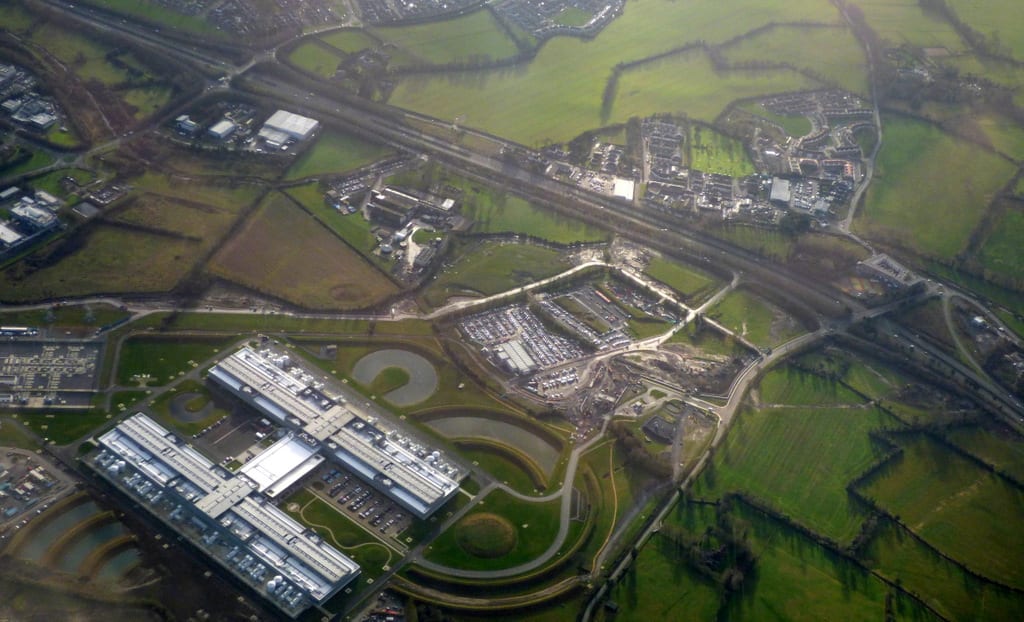
The Times reported that Meta classified its AI data centers as experimental “pilot models,” drawing a late-2024 tax line between chips headed for AI facilities and those used in ordinary data centers, and treating high-end processors — including Nvidia gear — as research supplies eligible for a credit Congress created in the 1980s to spur innovation. Quartz amplified that account Wednesday.
Meta’s own accountants flag the risk. In the same Income Taxes note that lists the $3.9 billion credit, the company says its unrecognized tax benefits were “primarily accrued for the uncertainties with our research tax credits” and foreign transfer-pricing positions. Gross unrecognized tax benefits stood at $16.45 billion at year-end 2025.
“Meta is claiming billions of dollars in tax benefits that its own accountants are telling investors are at risk of being overturned by the IRS,” Lisa De Simone, a University of Texas accounting professor and former EY tax adviser, told the Times, per Quartz.
Tax specialists have questioned the framing. Andre Shevchuck of advisory firm BPM told the Times that calling data centers experimental is “kind of wild and out there,” Quartz reported, noting past IRS pushback when companies try to stretch the credit to “proven and commercially available equipment and technology.”
Meta spokesman Andy Stone defended the approach in a statement: “Meta is one of the largest investors in research and development in the United States. Like other companies that invest at this scale, we use the tax incentives Congress established decades ago to encourage this type of domestic investment.”
Separately — and not the same as the R&D credit line — Meta’s current federal income tax expense fell from about $9.6 billion in 2024 to $2.8 billion in 2025. The 10-K also discusses One Big Beautiful Bill Act / CAMT effects and large valuation allowances. Those mechanics sit alongside, not inside, the research-credit figure.
The Times/Quartz reporting says a review of securities filings found Meta was the largest public-company beneficiary of the research credit; that ranking is attributed to that review, not independently re-run here. Quartz, citing the Joint Committee on Taxation, puts the credit’s 2025 Treasury cost at about $32.1 billion.
Keep clear of the lead: Meta’s Hyperion campus in Richland Parish, Louisiana, and related state and local tax incentives are a different track from the federal research credit. Likewise, Quartz notes a preexisting IRS fight over counting stock options exercised by Mark Zuckerberg as research cost, and Meta’s long-running transfer-pricing Tax Court battle — including a 2025 notice asserting roughly $15.9 billion in additional tax for 2017–2019 — are separate from the AI data-center credit claims.
For investors, the stakes are simple: billions in credit already sitting in the effective-tax-rate math, and Meta’s own filing language saying research-credit uncertainty is a primary driver of what could still be clawed back.